
Let’s break down how to
get rid of a fruit fly infestation, not just with quick fixes, but with a structured, practical approach using well-founded methods. I’ll take you step-by-step so you can see the application of theory in real-life problem-solving.
Step 1: Identify the Problem Area (Observe & Analyze)
In any scientific approach, identifying the core of the problem is crucial. Fruit flies are often drawn to areas with organic matter—rotting fruits, vegetables, or even garbage. These are the breeding grounds for fruit fly larvae.
- Action: Begin by identifying where fruit flies are most concentrated—usually around food, trash, or drain pipes.
- Theory: This is similar to problem diagnosis in research—pinpointing sources of contamination or error to understand where intervention is necessary.
Step 2: Clean Thoroughly (Eliminate the Source)
Fruit flies breed in moist, organic environments. A thorough cleanup can disrupt their breeding cycle by eliminating potential food sources.
- Action: Clean up food scraps, especially overripe fruits, vegetables, and spills. Don't forget hidden spots like under the fridge or inside garbage cans. Empty and disinfect trash bins and clean drains to remove any organic buildup.
- Theory: This is akin to removing the initial conditions that allow a system (in this case, the infestation) to grow. It’s a preventive strategy, much like eliminating contaminants in an experiment to avoid skewed results.
Step 3: Create Traps (Contain & Control)
Now that you've removed most of the potential breeding grounds, it’s time to actively reduce the adult fly population. Homemade traps are simple yet effective.
- Action: There are a variety of methods, such as:
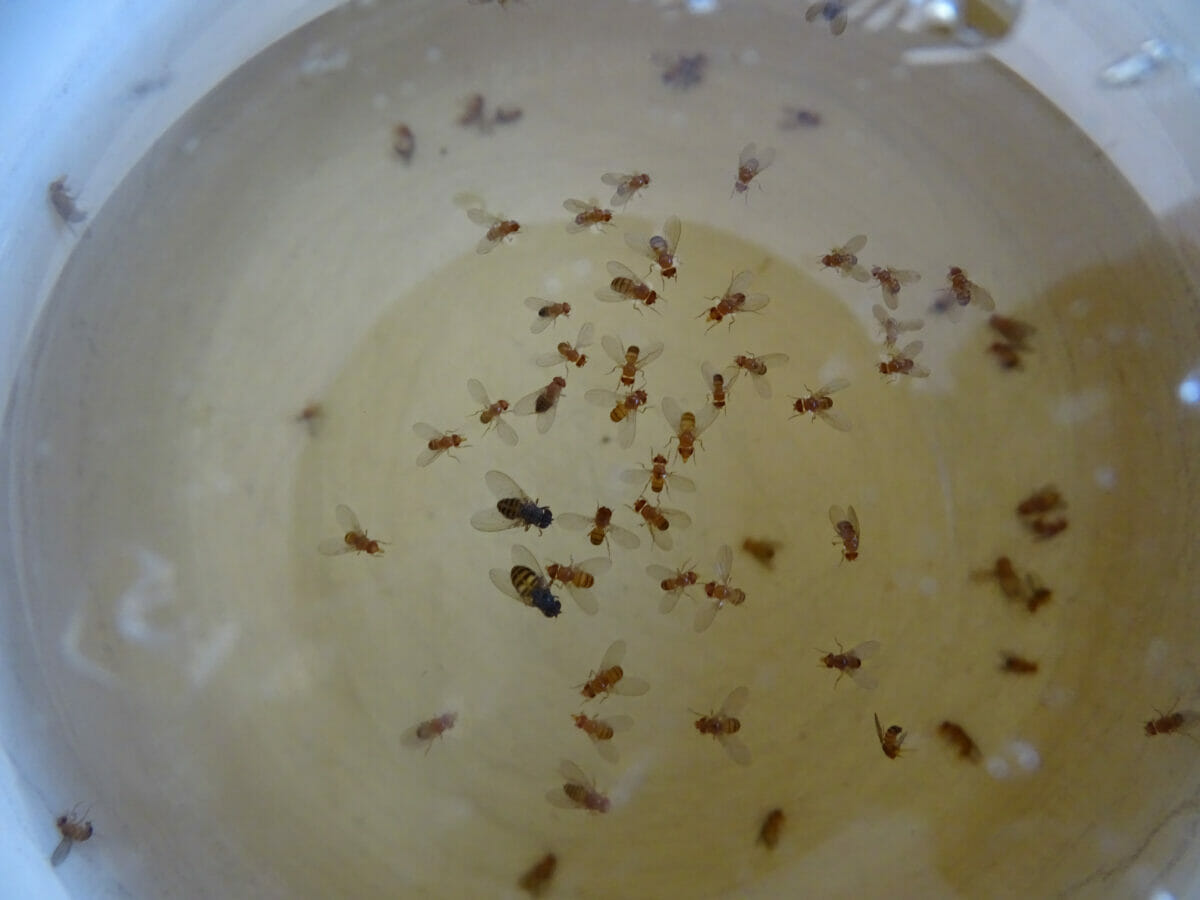
- Apple Cider Vinegar Trap: Pour apple cider vinegar into a bowl or jar, cover it with plastic wrap, and poke small holes in the top. The fruit flies are attracted to the smell, get trapped inside, and can’t escape.
- Wine or Beer Trap: Fruit flies are attracted to fermented products. A small amount of wine or beer in a jar can also serve as a lure.
- Paper Cone and Funnel Trap: Place a piece of fruit at the bottom of a jar, roll a piece of paper into a cone, and place it over the jar’s opening. Fruit flies can enter but have difficulty escaping.
- Theory: This is a classic example of "targeted intervention." You’re creating an environment that exploits the weaknesses of the fruit flies, drawing them into a controlled space where they can be easily eliminated.
Step 4: Use Natural Repellents (Defensive Barriers)
While traps catch many fruit flies, additional barriers can reduce the attractiveness of your space to new infestations.
- Action: Use natural repellents such as:
- Basil, Bay Leaves, or Lavender: Fruit flies dislike the strong smell of these herbs. Placing them around your kitchen or areas where fruit flies frequent can help deter them.
- Cinnamon: Sprinkle cinnamon powder around food containers or other attractants. It’s a natural deterrent for fruit flies.
- Theory: This parallels the idea of applying environmental changes to discourage the problem. Similar to how certain chemicals or physical barriers can prevent contamination in labs, natural deterrents can create conditions that make the environment less hospitable to fruit flies.
Step 5: Eliminate the Eggs & Larvae (Targeted Eradication)
Fruit flies may be gone from sight, but there may still be larvae or eggs in food, drains, or hidden spots.
- Action: To tackle this:
- Clean drains with a mixture of baking soda and vinegar, which helps remove organic material where larvae might live.
- Dispose of overripe or contaminated produce promptly.
- Consider placing items like fruit or vegetables in sealed containers to prevent eggs from hatching.
- Theory: This is a form of deep intervention, akin to making systemic changes in a process (like purging a biological system of contaminants) to ensure no hidden issues persist.
Step 6: Maintain Cleanliness & Monitor (Long-Term Management)
Prevention is always easier than a full-blown intervention. A continuous maintenance routine ensures you don’t fall into the same cycle.
- Action: Make it a habit to store produce properly (e.g., refrigerating fruits, sealing food in airtight containers), regularly empty trash bins, and monitor for any signs of fruit fly activity. Maintain the traps for a while to catch any lingering adults.
- Theory: This step draws from Kaizen methodology—continuous improvement. It’s about building sustainable habits to prevent the problem from recurring, much like improving systems incrementally over time.
Conclusion:
The process of eliminating a fruit fly infestation involves a cycle of
observation,
action,
control, and
prevention. By identifying the breeding areas, eliminating the sources, using traps, applying deterrents, and maintaining a clean environment, you apply a scientific, structured method to solve the problem, just as you would tackle any complex engineering or biological challenge.
In a broader sense, this approach exemplifies problem-solving in real life—observing the issue, experimenting with different solutions, and adjusting to ensure the problem doesn't return. The theory becomes reality when it’s systematically applied. You’re essentially engineering an environment that no longer supports the infestation—turning theory into effective practice!
/get-rid-of-fruit-flies-1388144_FINAL-d07020cb5b7b44a48a9d0111bf8571f3.png "get rid of fruit flies with a homemade fly trap")



Comments
Post a Comment